Stage Craft: Pictorialist Photography and Performance
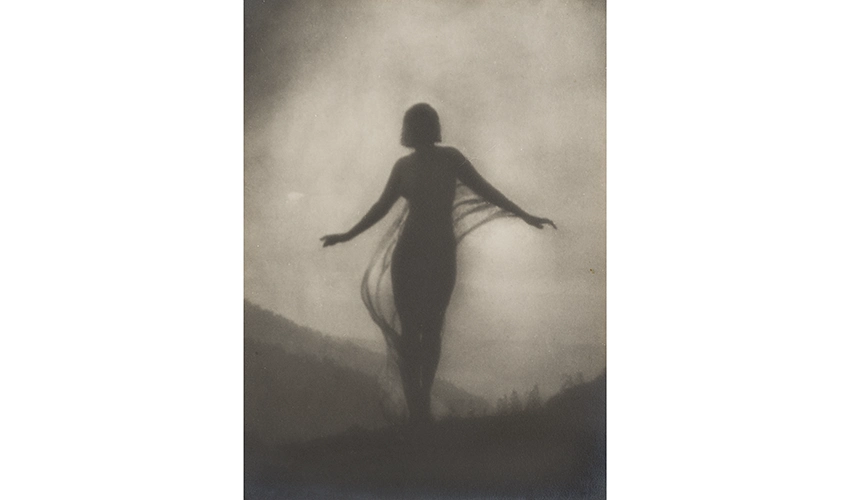
Anne W. Brigman, The Breeze, ca. 1910. Gelatin silver print. SBMA, Museum purchase with funds provided by the SBMA Women's Board.
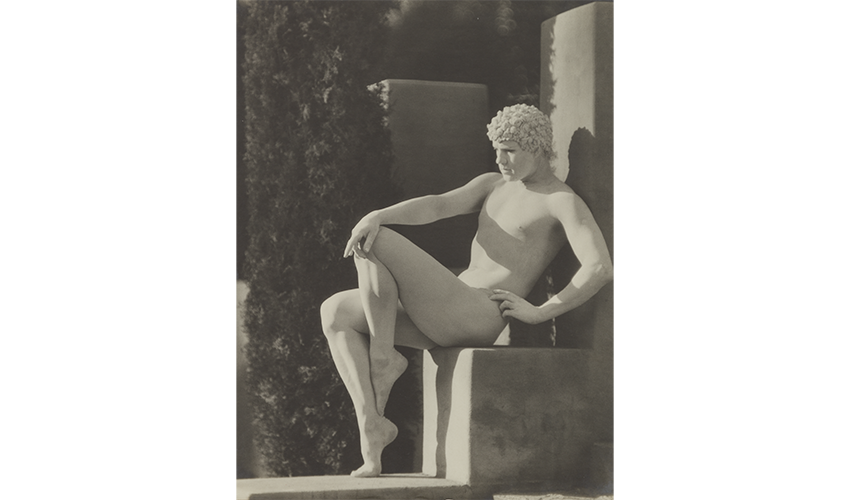
James Walter Collinge, Ted Shawn, ca. 1926. Gelatin silver print. SBMA, Museum purchase, Photography Acquisition Funds, 2003.121.
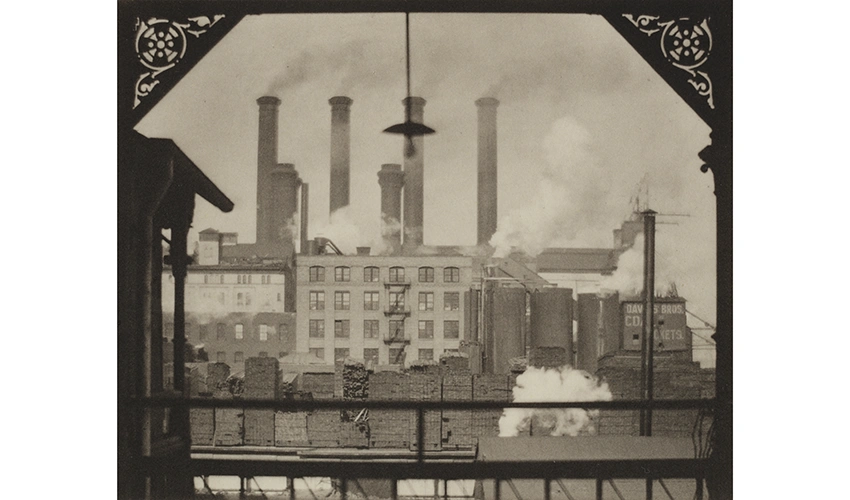
Karl Struss, Consolidated Edison from the Second Avenue Elevated, New York, ca. 1912, printed 1977–78. Platinum print. SBMA, Museum purchase with funds provided by PhotoFutures in honor of Wm. Brian Little, 2001.47.5.
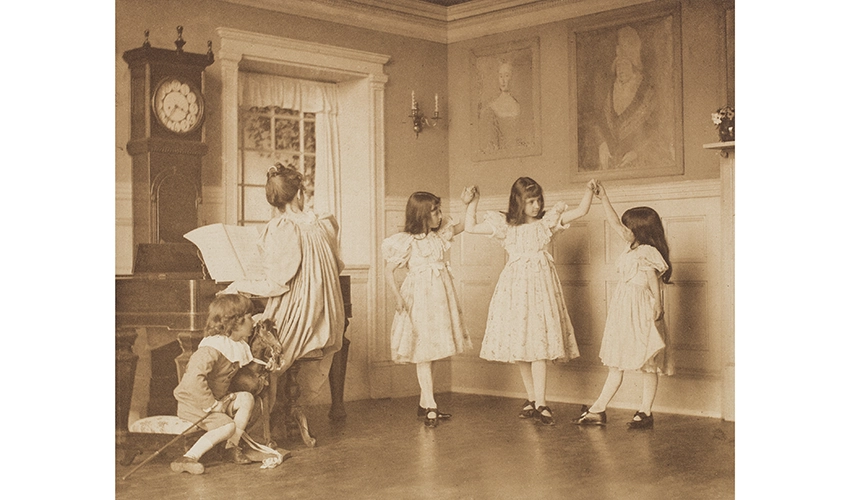
Rudolf Eickemeyer Jr., The Dance, 1901. Photogravure. SBMA, Museum purchase with funds provided by Michael G. Wilson and the Dana and Albert R. Broccoli Charitable Trust.
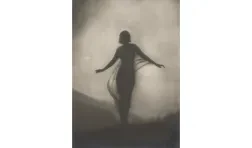
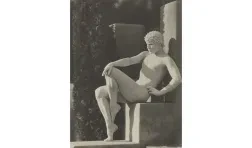
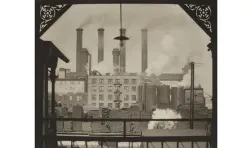
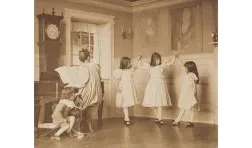
At the turn of the twentieth century, the Pictorialists challenged the notion that photography was primarily documentary or commercial, instead promoting photographs as art. To do so, these photographers portrayed scenes from literature, myth, history, or their imaginations, creating stage-like sets and collaborating with models, actors, and dancers as if performing a play.
Pictorialist portraits rejected the clarity of commercial photo studios, using dramatic lighting, soft focus, and unconventional compositions to evoke the mood and personality of sitters. Landscapes and cityscapes were imbued with poetic drama through innovative camera, printing, and editing techniques. Later, in the 1910s and 20s, Pictorialism helped define the visual language of early cinema, while photographers themselves also began to draw inspiration from the larger-than-life theatrics of early Hollywood. Stage Craft illuminates the critical role of performance behind the Pictorialists’ revolutionary claim that photography could be art.
- Galleries:Ala Story Gallery,Photography Gallery,









![memberseve[1]](https://www.sbma.net/sites/default/files/styles/menu_thumbnail_400_480/public/menu/memberseve%5B1%5D.jpg.webp?itok=hIz01lpc)